James McKevitt
Space Instruments Engineer, UCL Mullard Space Science Laboratory
Last updated: 15 July 2026
Space Instruments Engineer, UCL Mullard Space Science Laboratory
Loading…
Loading…
Loading…
For the latest projects and activity, visit my GitHub profile: github.com/jamesmckevitt.
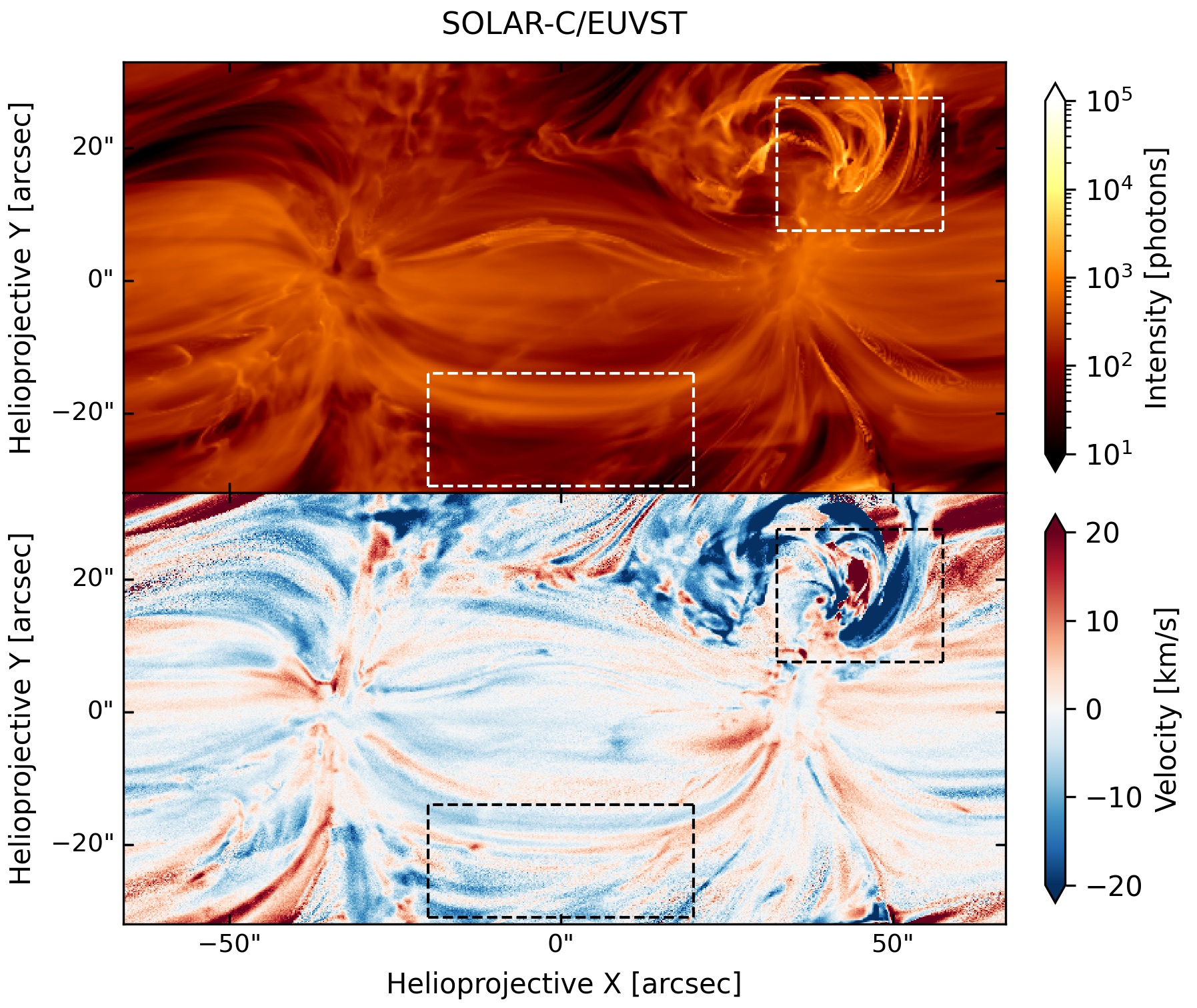
Emission Calculation and Line Prediction for SOLAR-C EUVST
The ECLIPSE code is used to forward model the performance of the EUV spectrograph EUVST onboard the SOLAR-C spacecraft.
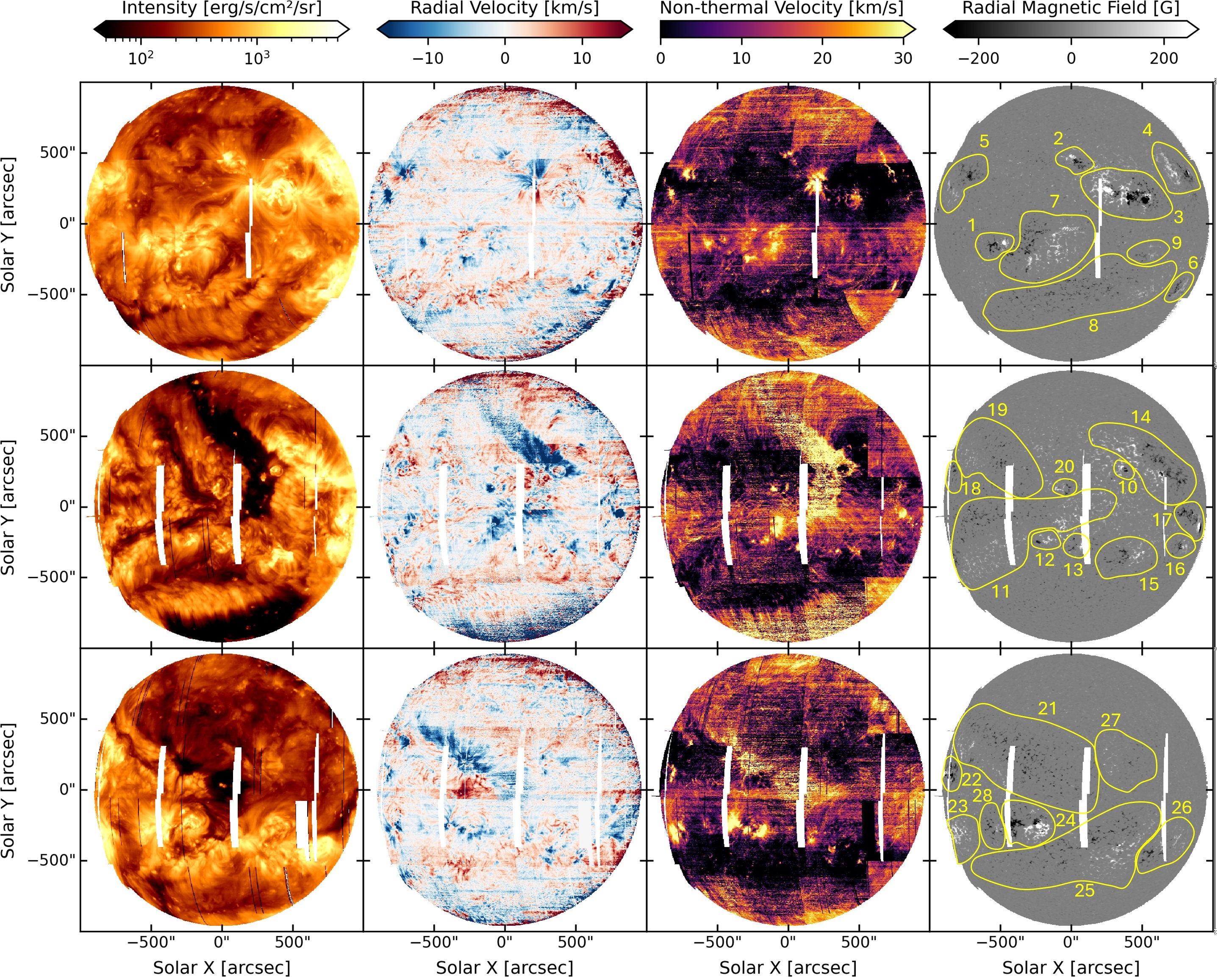
EISMaps is a Python package for processing data from the EIS (Extreme-ultraviolet Imaging Spectrometer) instrument on the Hinode spacecraft. It assembles Hinode/EIS slit full-disk maps with various options. It also provides useful wrapping functionality to the fantastic eispac code for batch processing of large EIS datasets.
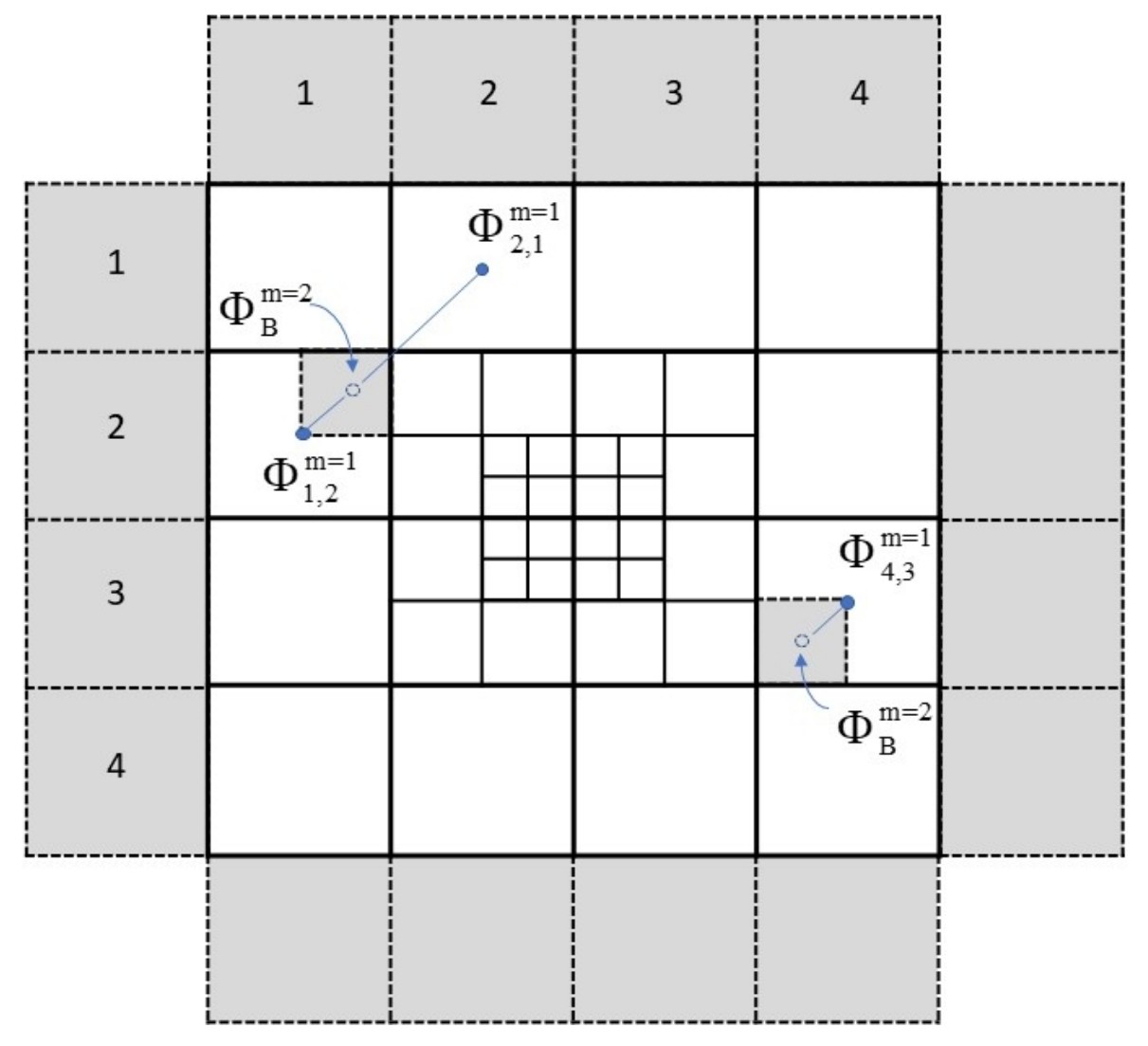
This code computes the gravitational potential on nested meshes using the convolution theorem. The method is thoroughly described in Vorobyov, E.I., McKevitt, J. et al. (2023) 'Computing the gravitational potential on nested meshes using the convolution method', Astronomy & Astrophysics, 671(A81). DOI: 10.1051/0004-6361/202244701.
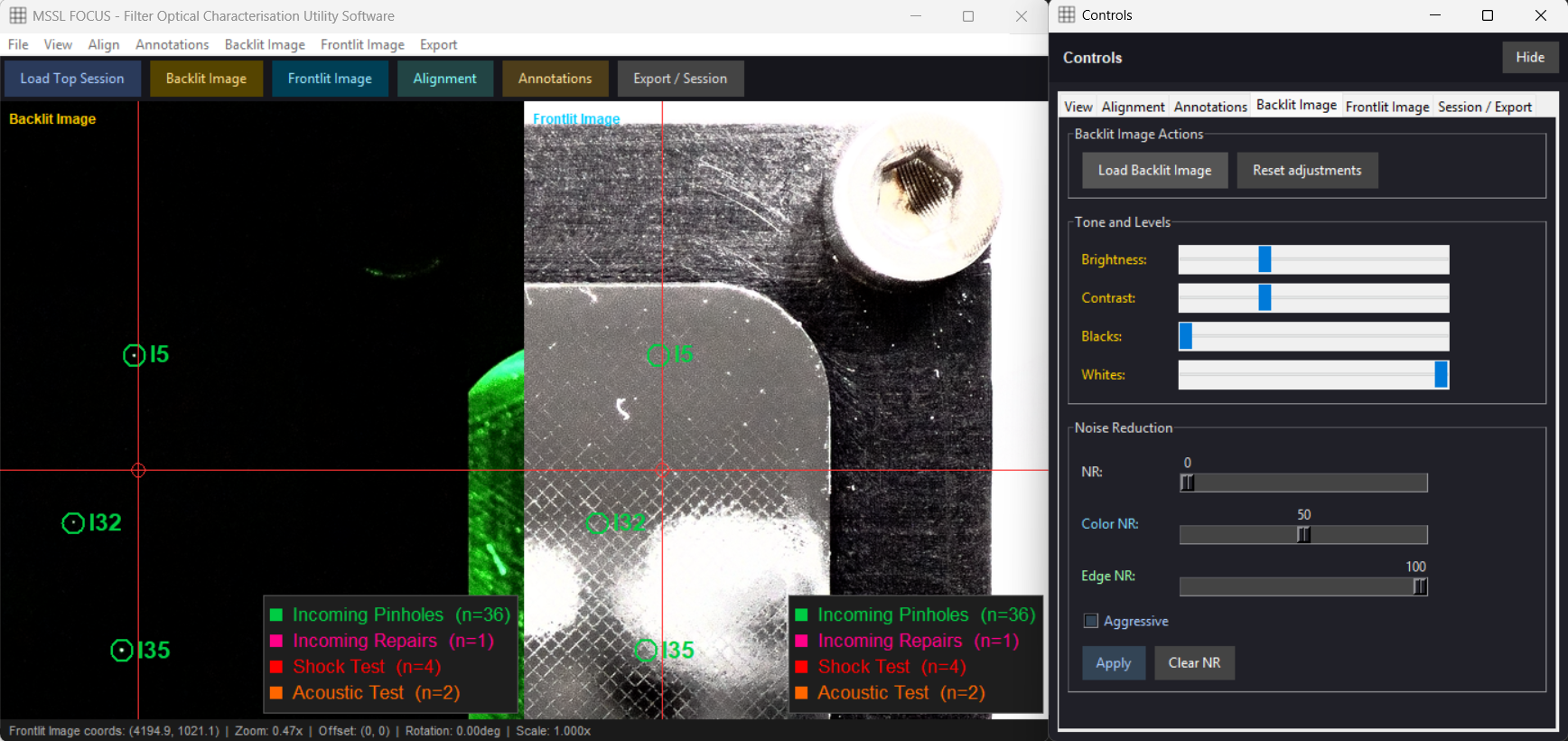
Filter Optical Characterisation Utility Software
MSSL FOCUS is a desktop tool for comparing and annotating pairs of thin-film optical filter images side-by-side or as a blended overlay. It provides alignment, annotation, image adjustment, and crop export tools, and was developed to support filter inspection activities at the UCL Mullard Space Science Laboratory.
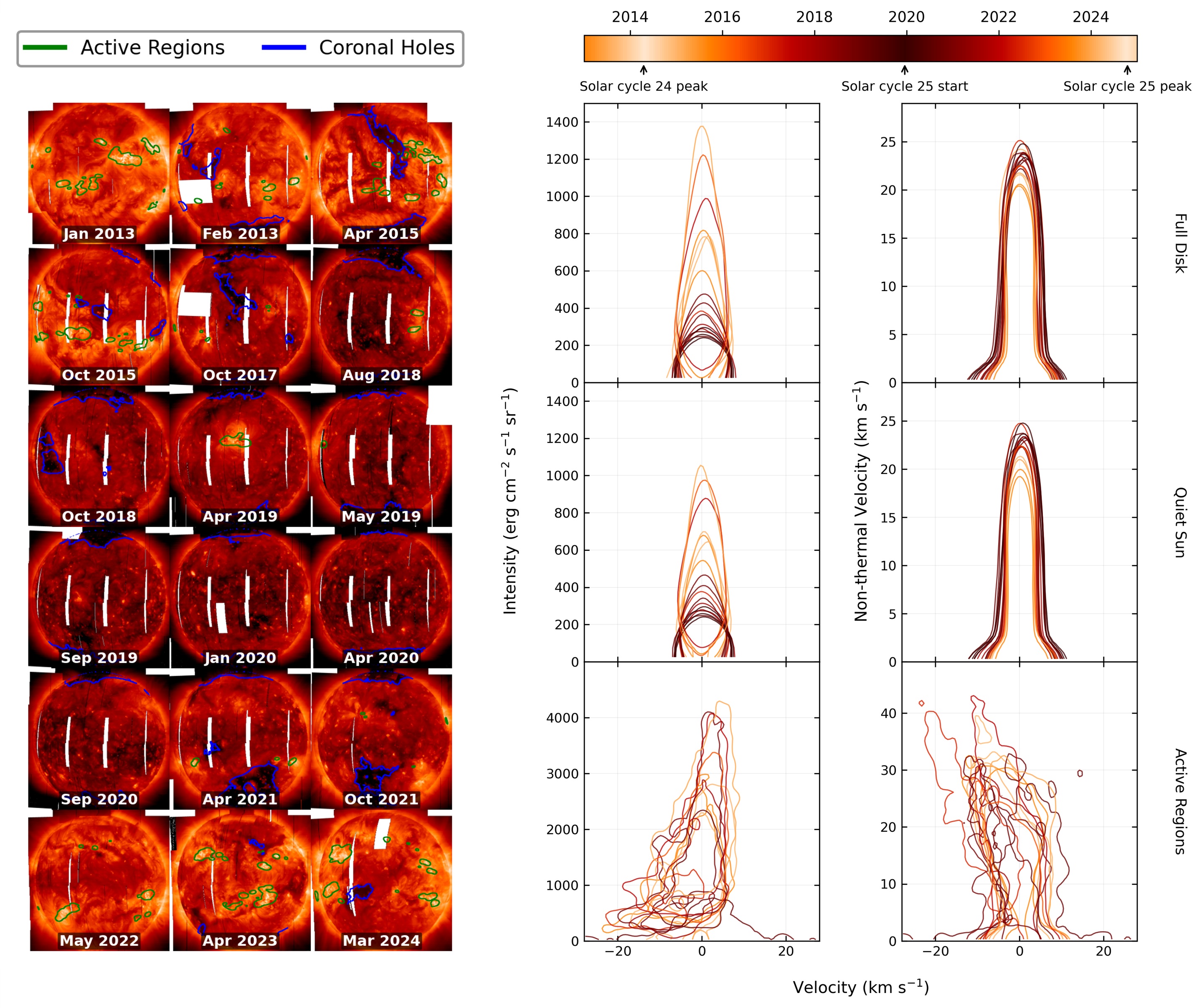
Hinode/EIS obtained 21 full-disk spectroscopic mosaic scans between 2013 and 2024. This repository contains 18 of those, processed to level 3 single FITS files per emission line per full disk. Measurements were taken using the widest 2-arcsec slit and scanned in steps of 4 arcsec (sparse rastering). The plate scale of 1 arcsec results in spectrally-resolved measurements of plasma in pixels of 4 arcsec (X) × 1 arcsec (Y).